

















Bleaching Clay, Activated Carbon or Magnesium Silicate for Oils?
Dark colour, haze and off-odours are some of the most common complaints we hear about food oils, essential oils and flavour extracts. The usual fix is an adsorbent: a fine, porous solid that you mix into the oil (or pack into a column), let it grab the unwanted compounds, then filter it back out. The choice is not one-size-fits-all. Bleaching clay, activated carbon, magnesium silicate and alumina each attract different kinds of molecules. Picking the wrong one can leave the colour behind or strip out the aroma you are trying to keep.
This guide explains how each media works, what it tends to remove, and how to set up a simple bench trial so you can choose a starting point with real data.
How Adsorbents Work
Adsorption is a surface process. Molecules in the liquid stick to the surface of the solid through polar attraction, hydrogen bonding, ionic interaction or weaker van der Waals forces. The more internal surface area a media has, and the better its surface chemistry matches the target compounds, the more it can hold.
Two properties matter most:
- Surface chemistry. Polar surfaces (clays, magnesium silicate, alumina) prefer polar molecules such as pigments with polar groups, soaps, free fatty acids, oxidation products and trace metal complexes. Carbon surfaces are largely non-polar and attract large, flat, aromatic or conjugated molecules.
- Pore structure and particle size. Fine powders adsorb quickly because diffusion distances are short, but they are harder to filter. Granular media are slower but let liquid flow through a packed bed.
Every adsorbent also holds back some of your product. Oil retained in the spent cake is a real yield loss, so the goal is the lowest dose that gets the job done.
The Main Options Compared
Acid-Activated Bleaching Clay
Bleaching clays are bentonite (montmorillonite) clays. Treating them with acid opens up the layered structure, increases surface area and leaves acidic sites on the surface. In edible oil refining, acid-activated clay is the workhorse for removing chlorophyll, carotenoids, residual soaps, phospholipids and trace metals.
The trade-off is that acidic surfaces can promote reactions in acid-sensitive compounds. For robust vegetable oils that is rarely a concern at normal doses. For essential oils and delicate flavour extracts, run a small test and check the aroma before scaling up. Carbon Chemistry's T-41 Acid Activated Bleaching Clay is an acid-activated bentonite with a low pH, used as a scrub or bleaching clay for oil purification, distillation preparation, and odour and colour improvement.
Natural Bleaching Earth
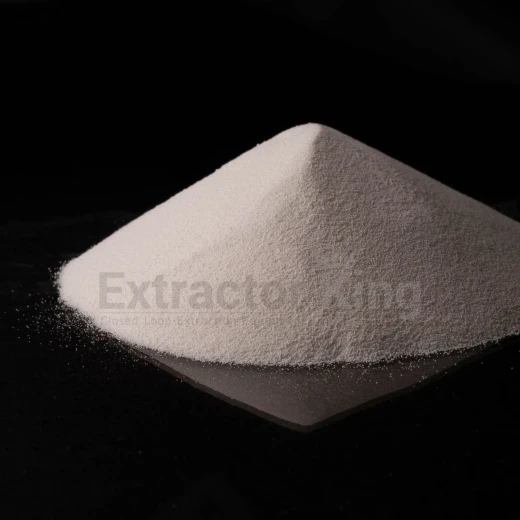
Natural (non-acid-activated) bleaching earths are milder. They generally have lower activity than acid-activated clays, so you may need a higher dose for the same colour reduction, but there is no mineral acid on the surface. Pure-Flo B80 Natural Bleaching Adsorbent is made for pretreatment and bleaching of edible oils and fats. Its typical data sheet values list a pH of 7.2 (5% solids in deionized water), 15.0% free moisture at 105 °C, and 83.0% of particles passing 325 mesh (under 45 microns), with no mineral acid carryover.
Activated Carbon
Activated carbon has an enormous internal surface area and a largely non-polar surface. It is very effective on large conjugated molecules, including many colour bodies and odour compounds, and on polycyclic aromatic hydrocarbons. It is often the first media people reach for to decolourize essential oil or a flavour extract.
The catch: carbon is non-selective. It will also adsorb some of the aroma compounds and natural colour you want to keep, and powdered carbon retains a lot of oil. Start low. XActive Carbon is a low-dust, coconut-shell granular activated carbon with a 0.25-0.5 mm particle size and a pH of 6.6. Because it is granular, it can be packed in a column, and selectivity can be tuned by adjusting residence time with a needle valve.
Magnesium Silicate
Synthetic magnesium silicate is a polar adsorbent with a strong affinity for polar compounds. It is widely used in the food industry to extend the life of frying oils by adsorbing free fatty acids and polar oxidation products. For magnesium silicate oil filtration, MagSil-PR Activated Magnesium Silicate binds polar, water-soluble compounds and is used to improve colour and clarity and remove pesticides. After treatment, the recommended step is to filter through a 20 micron mesh screen.
Alumina
Aluminum oxide is a classic polar stationary phase for normal-phase chromatography. It retains polar compounds, and it comes in acidic, neutral and basic grades so you can match the surface to the compounds you need to hold back. Activated alumina filtration is usually done as a packed column rather than a stirred slurry. Alumicel N Neutral Alumina has a pH of about 6.7. The neutral grade is a sensible default when you want to avoid acid- or base-driven changes, and it is used for both chromatography and colour remediation.
Quick Comparison
| Media | Surface character | Tends to remove | Watch for |
|---|---|---|---|
| Acid-activated clay | Polar, acidic | Chlorophyll, carotenoids, soaps, trace metals | Changes in acid-sensitive compounds |
| Natural bleaching earth | Polar, near neutral | Pigments, general colour | Higher dose for same effect |
| Activated carbon | Mostly non-polar | Large conjugated colour bodies, odours, aromatics | Strips aroma, high oil retention |
| Magnesium silicate | Polar | Polar compounds, free fatty acids, oxidation products | Fine powder needs good filtration |
| Alumina | Polar; acidic, neutral or basic grades | Polar compounds, colour | Best used in a column |
Many processes combine media. A common approach is a clay or magnesium silicate step for polar impurities, followed by a light carbon polish if colour remains.
Why Dose, Contact Time and Filtration Matter
Dose. In edible oil refining, bleaching clay doses typically fall around 0.5-2% of oil weight. More is not always better: past a certain point, colour improvement levels off while oil loss keeps rising.
Temperature and contact time. Warmer, thinner oil lets molecules reach the adsorbent surface faster. Edible oils are commonly bleached at roughly 90-110 °C (194-230 °F) for 20-30 minutes, often under vacuum to limit oxidation. Essential oils and flavour extracts are far more heat-sensitive, so work cooler and longer, or dilute in a suitable solvent to reduce viscosity and recover the solvent afterwards on a rotary evaporator.
Moisture. Water competes for polar adsorption sites. Wet oil, or media that has picked up moisture in storage, can perform poorly. Keep containers sealed.
Filtration. Any fines left in the oil will cause haze and can carry colour back into the product. Use filter paper or media matched to the particle size, a filter aid if the cake blinds, and recirculate the first cloudy filtrate until it runs clear.
Running a Bench Trial
- Weigh equal samples of oil, for example 100 g each, plus one untreated control.
- Add each media at several doses, such as 0.5%, 1%, 2% and 4% w/w.
- Stir at a fixed temperature and time, ideally under nitrogen or vacuum for oxidation-sensitive oils.
- Filter each sample the same way and weigh the recovered oil to calculate loss.
- Compare colour against the control in identical glass under the same light, or with a colorimeter if you have one.
- Smell and taste-test (food-safe products only) to check that aroma and flavour have survived.
Keep notes on dose, temperature, time and yield. The best result is usually the lowest dose that meets your colour target without hurting aroma.
Safety Notes
- Wear a dust mask or respirator, gloves and eye protection when handling fine powders.
- If you dilute with flammable solvents, work in a well-ventilated area or fume hood, away from ignition sources.
- Spent adsorbent soaked with oil, especially unsaturated oils, can self-heat. Spread it out or wet it down, keep it in a closed metal container, and follow local disposal rules.
- Read the supplier's safety data sheet before use.
Choosing Your Starting Media
For edible oils with green or yellow pigments, start with bleaching clay. For acid-sensitive products, try natural bleaching earth or neutral alumina. To polish stubborn colour or odour in essential oils, test a low dose of activated carbon. For polar contaminants, free fatty acids and haze, magnesium silicate is a strong first choice.
Not sure which combination fits your oil, volume or filtration setup? Request a quote and our team will help match adsorbents and equipment to your process.
Equipment in this guide
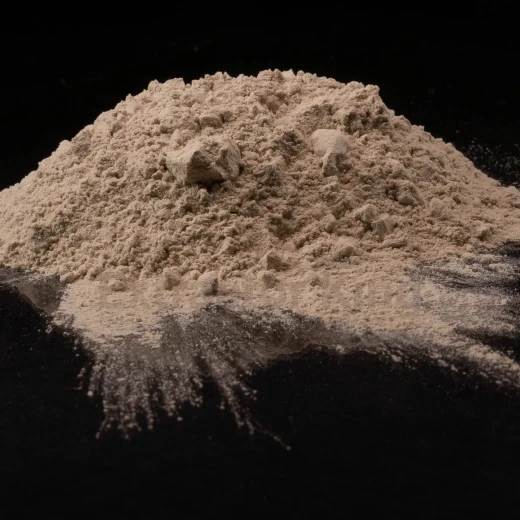 Pure-Flo® B80 Natural Bleaching Adsorbent – Carbon Chemistry
View product
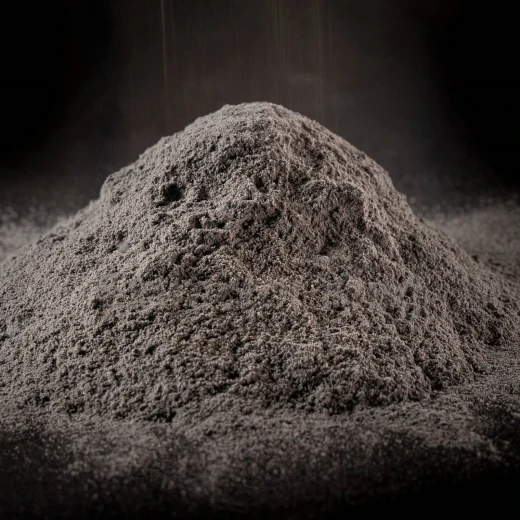 T-41™ Acid Activated Bleaching Clay – Carbon Chemistry
View product
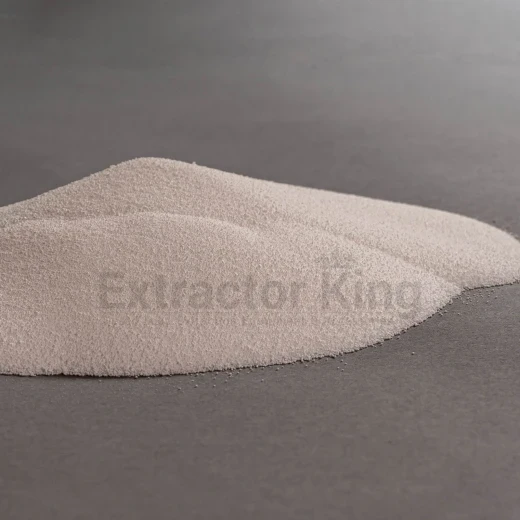 MagSil-PR® Activated Magnesium Silicate – Carbon Chemistry
View product
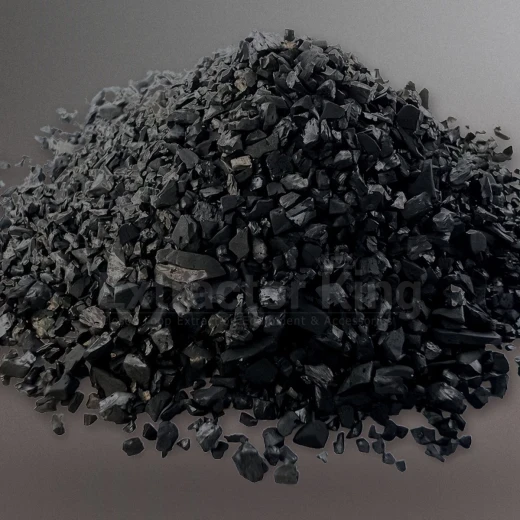 XActive™ Carbon – Carbon Chemistry
View product
 Alumicel® N Neutral Alumina – Carbon Chemistry
View product