























Choosing Adsorbent Filter Media: Carbon, Clays, Silica, Alumina and DE Compared
Passing an extract through a bed of adsorbent media is one of the simplest ways to improve its colour, clarity, smell and stability. The edible oil industry has done it for decades: almost every bottle of vegetable oil on a grocery shelf has been "bleached" through an activated clay. The same tools work for essential oils, flavour extracts and other botanical oils.
The hard part is choosing the media. Each type removes different things, flows differently, and has its own handling needs. This guide compares the main options so you can build a bed that suits your process.
How adsorbent media work
Adsorbents are solids with an enormous internal surface area: a single gram can have hundreds of square metres of pore surface. As your extract, dissolved in solvent, flows through the bed, unwanted molecules stick to that surface while the rest passes through. Which molecules stick depends on the chemistry of the surface:
- Polar surfaces (silica, alumina, clays, magnesium silicate) hold on to polar impurities: pigments, gums, free fatty acids, oxidation products and traces of water.
- Carbon surfaces hold on to large, flat, colour- and odour-causing molecules, and are much less selective.
Filter aids such as diatomaceous earth work differently. They trap fine solid particles mechanically rather than adsorbing dissolved compounds.
Activated carbon
Activated carbon is made by heating carbon-rich material, such as coconut shell, wood or coal, under controlled conditions until it is riddled with fine pores. It is the strongest general-purpose remover of colour and odour.
Strengths: very effective on colour and smell; widely available; inexpensive.
Watch for: it is not selective and can remove compounds you want along with those you don't, so test small amounts first; fine powder filters slowly and is messy (granular grades flow better); quality varies between suppliers.
Acid-activated bleaching clay
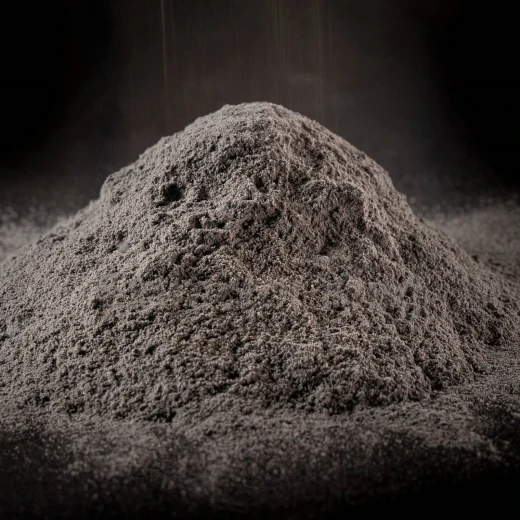
Bentonite clays treated with acid have a greatly increased surface area and activity. This is the classic bleaching earth of edible oil refining, excellent at removing chlorophyll and other pigments. T-41 Acid Activated Bleaching Clay is a common choice.
Strengths: strong pigment removal; proven in food-oil processing.
Watch for: its mild acidity can affect sensitive compounds; fine particles need a good polish filter; dusty, so handle with a respirator.
Natural bentonite and attapulgite clays
Non-acid-activated clays are gentler. T-5 Calcium Bentonite Clay is a neutral clay often used alongside stronger media. Attapulgite clays such as ZeoClear L and ZeoClear Y come in granular form, so the bed flows freely and is less prone to clogging. Pure-Flo B80 is a natural bleaching adsorbent from the same family of oil-refining clays.
Strengths: gentle; neutral pH options; granular grades flow well.
Watch for: less aggressive on heavy colour than acid-activated clay, so they are often blended.
Silica gel
Silica gel is a porous form of silicon dioxide, the same material used in chromatography columns. Grades such as Silica 60A (60 Å pore size) are standard for separating polar from non-polar compounds.
Strengths: excellent at holding polar impurities; predictable, chromatography-grade behaviour; works well layered with clays.
Watch for: can hold back some polar compounds you want; fine powder, so wear a respirator.
Activated alumina
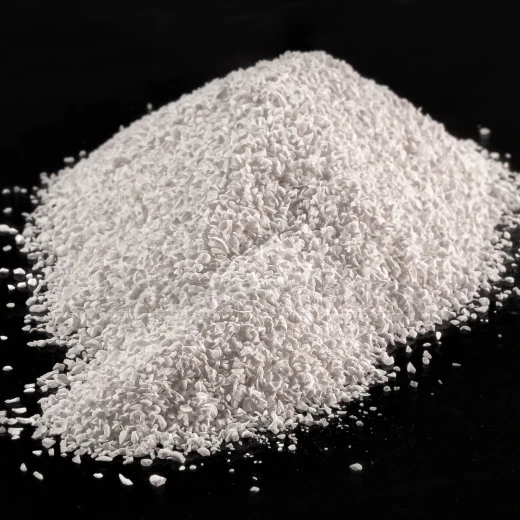
Activated alumina is a highly porous aluminium oxide, tough and resistant to crushing. It comes in acidic, basic and neutral grades, which lets you tune what it holds. Activated Alumina and the Alumicel N Neutral Alumina grade are good starting points.
Strengths: removes polar compounds, some pigments and fatty material; granular and low-dust; doesn't shed into the product.
Watch for: choose the grade (acidic, basic, neutral) to suit your oil; too much can affect oil stability.
Magnesium silicate
Synthetic magnesium silicate is widely used to clean frying oils and other edible oils, because it is very good at removing free fatty acids and polar breakdown products. Options include Magnesol XL and MagSil-PR Activated Magnesium Silicate.
Strengths: targets acids and oxidation products that cause off-flavours and poor shelf life.
Watch for: it is a polishing medium, so pair it with a clay or carbon for heavy colour.
Diatomaceous earth (filter aid)
Diatomaceous earth is made from the fossilized silica shells of tiny algae. It isn't really an adsorbent. It is a filter aid: its open, porous structure traps fine solids while letting liquid flow fast. It is used throughout the food and beverage industry to filter beer, wine, juice and oils.
Strengths: keeps filtration fast; catches fine particles, including fines from other media; reduces haze.
Watch for: fine dust (calcined grades can contain crystalline silica), so always use respiratory protection; some product stays in the filter cake.
Building a media bed
Most operators layer several media rather than relying on one. A typical approach, from top to bottom:
- A granular, free-flowing layer to take the first load of impurities.
- The main working layer: clay, silica or a blend, chosen for your colour problem.
- A polishing layer: alumina, magnesium silicate or a small amount of carbon.
- A filter aid and filter paper or frit at the bottom to catch every fine particle.
Practical points that matter as much as the choice of media:
- Dry the media as the supplier recommends. Absorbed moisture takes up sites that should be working on your extract.
- Control the flow. Adsorption needs contact time. A deeper bed or a slower flow usually beats more media.
- Test small first. Run a small batch, check colour, aroma and yield, then scale up.
- Rinse at the end. A pass of clean solvent recovers the oil held in the bed.
- Polish filter. Finish with a fine filtration so no media reaches the product. A 12? Enclosed Buchner Filtration System or the 12? × 50L Buchner Funnel System handles production volumes.
Quick comparison
| Media | Best at | Main caution |
|---|---|---|
| Activated carbon | Colour and odour | Not selective; can take wanted compounds |
| Acid-activated clay | Chlorophyll and pigments | Mild acidity; fines |
| Bentonite / attapulgite | Gentle colour removal, good flow | Weaker on heavy colour |
| Silica gel | Polar impurities | May hold some polar targets |
| Activated alumina | Polar and fatty material | Pick the right grade |
| Magnesium silicate | Free fatty acids, oxidation products | Polisher, not a heavy decolourizer |
| Diatomaceous earth | Fast filtration of fine solids | Dust; respiratory protection |
Browse our full range of Carbon Chemistry filter media. Not sure which blend fits your extract? Tell us what you are processing, your solvent and your batch size, and we will recommend a starting bed. Request a quote and we will reply with options.
Equipment in this guide
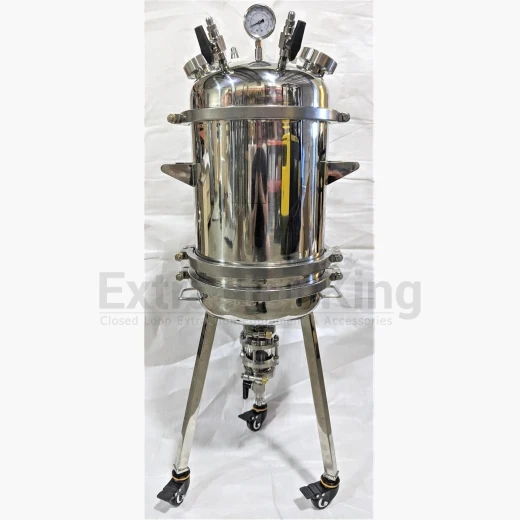 12″ Enclosed Buchner Filtration System - Science King
View product
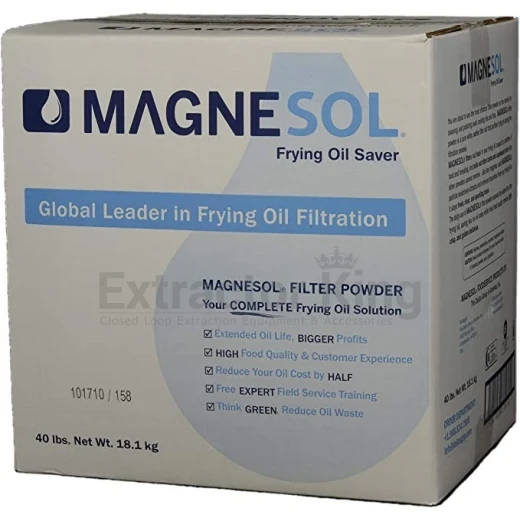 Magnesol XL
View product
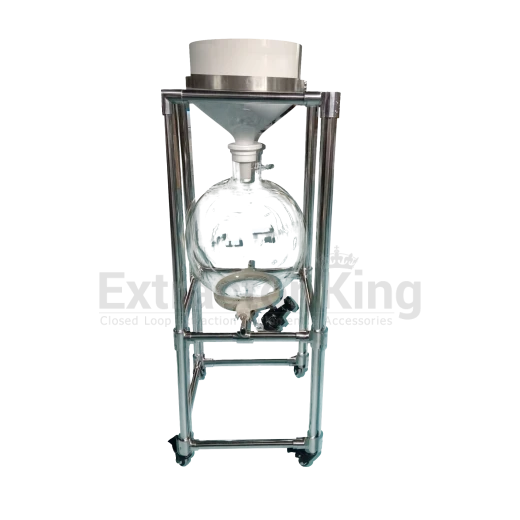 12" x 50L Buchner Funnel System w/ SS Frame - Science King
View product
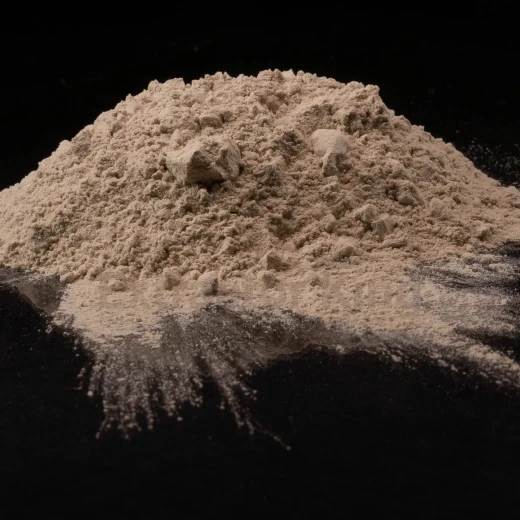 Pure-Flo® B80 Natural Bleaching Adsorbent – Carbon Chemistry
View product
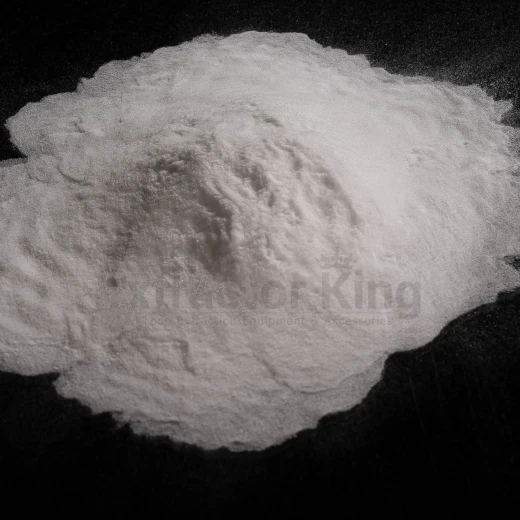 Silica 60A – Carbon Chemistry
View product
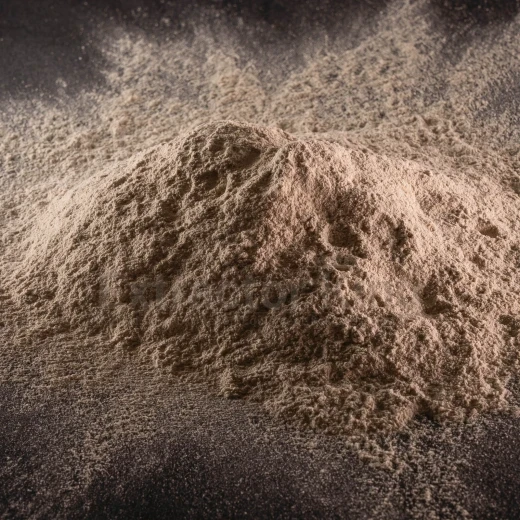 T-5® Calcium Bentonite Clay – Carbon Chemistry
View product
 T-41™ Acid Activated Bleaching Clay – Carbon Chemistry
View product
 Activated Alumina – Carbon Chemistry
View product