































Dry Ice in Vancouver and the Fraser Valley: Bulk Orders, How Much You Need and Safe Handling
Dry ice is one of the most searched cold-chain products in the Lower Mainland, and one of the easiest to buy wrong. Too little and it is gone before the job is done. The wrong form and it either melts away in hours or will not fit where you need it. This guide covers what dry ice is, which form suits which job, how much to order, how to handle it safely, and how bulk dry ice works from our Langley location for businesses in Vancouver and the Fraser Valley.
What Dry Ice Is
Dry ice is solid carbon dioxide (CO2) at about −78.5 °C (−109 °F). Unlike water ice it never turns into a liquid. It goes straight from solid to gas, a process called sublimation, so it leaves nothing wet behind. That is why it is used to ship frozen food and samples, cool lab baths, clean equipment by blasting, and create fog effects.
The flip side is that dry ice starts disappearing the moment it is made. Every order is a race against sublimation, which is why the form you choose and how you store it matter as much as the weight.
Blocks, 16 mm Pellets or 3 mm Rice: Which Form?
All three are the same material. The difference is surface area: the more surface, the faster it cools things and the faster it sublimates.
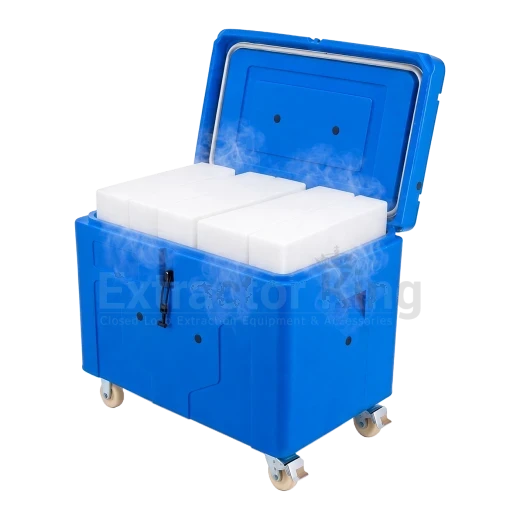
- Dry ice blocks (blocks and slabs) have the least surface for their weight, so they last the longest. Choose blocks for long hold times: multi-day shipping, keeping freezers cold during a power outage, or storage between uses.
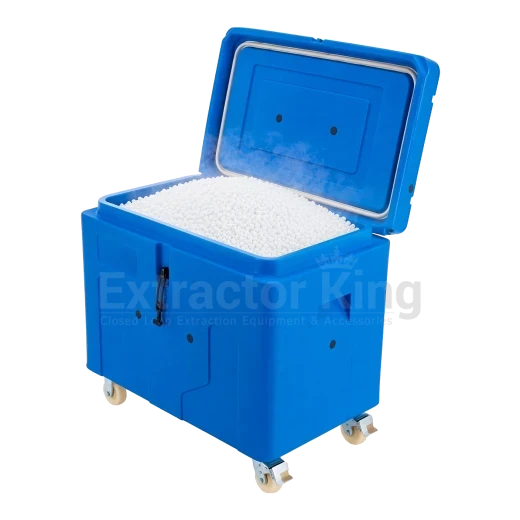
- 16 mm pellets pour and pack around irregular items. They are the all-rounder for cold-chain shipping, food and catering, and cooling product quickly in totes or coolers.
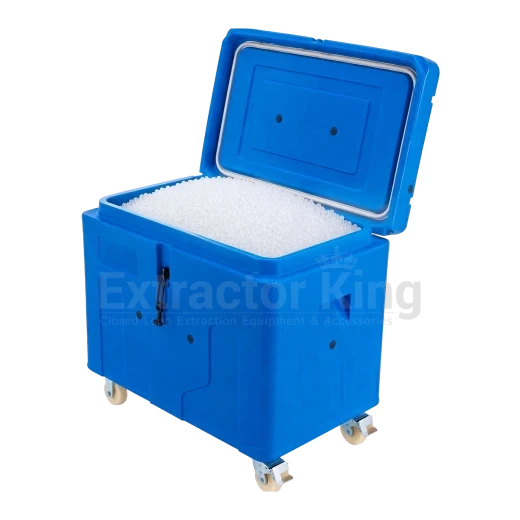
- 3 mm rice pellets have the most surface area. They cool fastest and are the standard feed for dry ice blasting machines, rapid chilling and lab cooling baths, but they also sublimate fastest, so use them soon after pickup.
How Much Dry Ice Do You Need?
Every setup is different, but these rules of thumb are a good starting point. Always round up and plan your pickup as close as possible to when you need it.
| Job | Rule of thumb |
|---|---|
| Shipping frozen goods in an insulated box | About 2–4.5 kg (5–10 lb) for every 24 hours in transit |
| Keeping a chest freezer frozen in a power outage | About 23 kg (50 lb) keeps a full 18 cu ft freezer frozen for roughly two days |
| Holding product in a picnic-style cooler | Expect the cooler to lose about 2–4.5 kg (5–10 lb) a day |
| Dry ice blasting | Depends on the machine and nozzle; ask your blasting equipment supplier for its kg-per-hour use |
A large, well-insulated bin loses far less per pound than a small cooler, so buying in bulk and keeping it in one insulated container is usually the most economical way to have dry ice on hand for several days.
Handling Dry Ice Safely
Dry ice is safe to use when you respect two hazards: extreme cold and carbon dioxide gas.
- Ventilation first. Sublimating dry ice releases CO2, which is heavier than air and collects in low, enclosed spaces. Store and use it only in well-ventilated areas. Never keep it in a closed room, walk-in cooler, basement or vehicle cab without fresh air.
- Insulated gloves, not bare hands. At −78 °C it causes frostbite-like burns within seconds. Use insulated gloves or tongs and wear eye protection when breaking blocks.
- Never seal it in an airtight container. The gas has to escape. A sealed jar, bottle or cooler with a tight gasket can build pressure and burst. Use containers that vent.
- Transport with the windows open. Keep dry ice out of the passenger area if you can, and ventilate the vehicle for the whole trip.
- Keep it away from children and pets, and never put it in a sink, toilet or drain; the cold can crack fixtures and plumbing.
- Disposal is simple: leave unused dry ice in a ventilated area and let it sublimate away.
Shipping Packages With Dry Ice
Dry ice is a regulated material for shipping (UN1845). Packages must let the gas vent and are usually marked with the dry ice weight, and air carriers have their own limits per package. If you are sending dry ice by courier or air, check your carrier's rules before you pack.
Bulk Dry Ice From Our Langley Location
Extractor King supplies dry ice in bulk to labs, food producers, cold-chain shippers, restaurants, event companies and industrial cleaning crews across Vancouver and the Fraser Valley:
- Bins of 500 lb or more of blocks, 16 mm pellets or 3 mm rice pellets, priced per pound (see the product pages for the current price).
- 24 hours’ notice so your dry ice is fresh on the day you need it. Orders are prepared ahead, so there are no walk-in sales.
- Pickup in Langley or local delivery, chosen on the product page when you order.
Need dry ice regularly? Order your usual bin size on a schedule so it is ready when your week starts.
Need Only a Little? Make It On Demand
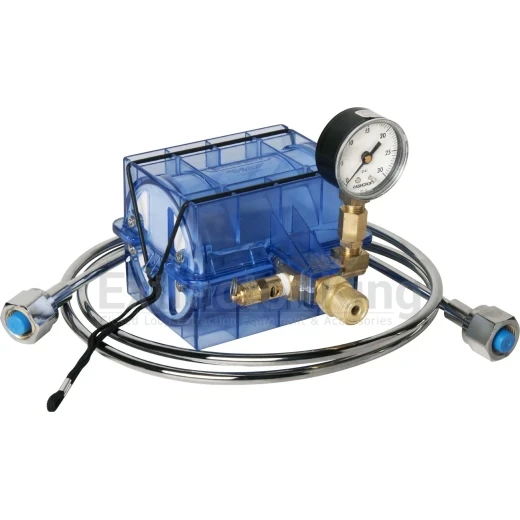
If you only need small amounts, a 500 lb bin is more than you can use before it sublimates. Labs and small users often make their own instead with a dry ice maker attached to a liquid CO2 cylinder (with a dip tube). The Bel-Art Frigimat Cub and Frigimat EZ make a solid 454 g (1 lb) block in a minute or two, the Frigimat Economy does the same at a lower price, and the Frigimat Junior makes dry ice flakes for packing around odd-shaped items. You make exactly what you need, when you need it, with nothing to throw away.
Frequently Asked Questions
How long does dry ice last?
It depends on the form and the container. In a typical insulated cooler, expect to lose about 2–4.5 kg (5–10 lb) a day. Blocks last longer than pellets, and a large insulated bin holds far better than a small cooler.
Can I store dry ice in my freezer?
Not in a household freezer. It is far colder than the freezer can hold, so it keeps sublimating, and the thermostat can be damaged. Keep it in its insulated, vented container.
What is the difference between the 3 mm and 16 mm pellets?
Size and speed. 3 mm rice pellets cool fastest and suit blasting machines and rapid chilling; 16 mm pellets last a little longer and are the go-to for shipping and packing.
Do you deliver?
Yes. Choose pickup in Langley or local delivery on the product page when you order your bin.
Questions about the right form or amount for your job? Call us at 1.888.609.5464 and we will help you size your order.